
Introduction: The Appeal of the Yellowtail Scallion Roll
Picture yourself sliding onto a stool at a bustling sushi bar, the air humming with quiet chatter and the faint scent of fresh fish. Your eyes scan the menu, and there it is: the yellowtail scallion roll. That perfect little package of buttery hamachi sliced thin, paired with the sharp, green snap of scallions, all wrapped up in tangy rice and crisp nori. It’s straightforward, sure, but there’s something magical about how those few ingredients come together. The phrase “yellowtail scallion roll” might not scream excitement at first glance, but dig a little deeper, and you’ll find craftsmanship in every bite—the way the fish is sliced just so, the rice seasoned to perfection, the scallions adding that essential pop of freshness.
In this piece, I’m diving headfirst into everything that makes the yellowtail scallion roll a standout. We’ll cover what it really is, where it comes from, how to whip one up at home (or spot a great one when ordering), how it stacks up against other rolls, pairing ideas to elevate your meal, and a roundup of FAQs tailored specifically to this gem. Whether you’re just dipping your toes into sushi or you’ve got a black belt in chopstick skills, stick with me—you’ll walk away knowing exactly why this roll deserves a spot in your regular rotation.
What is the Yellowtail Scallion Roll?
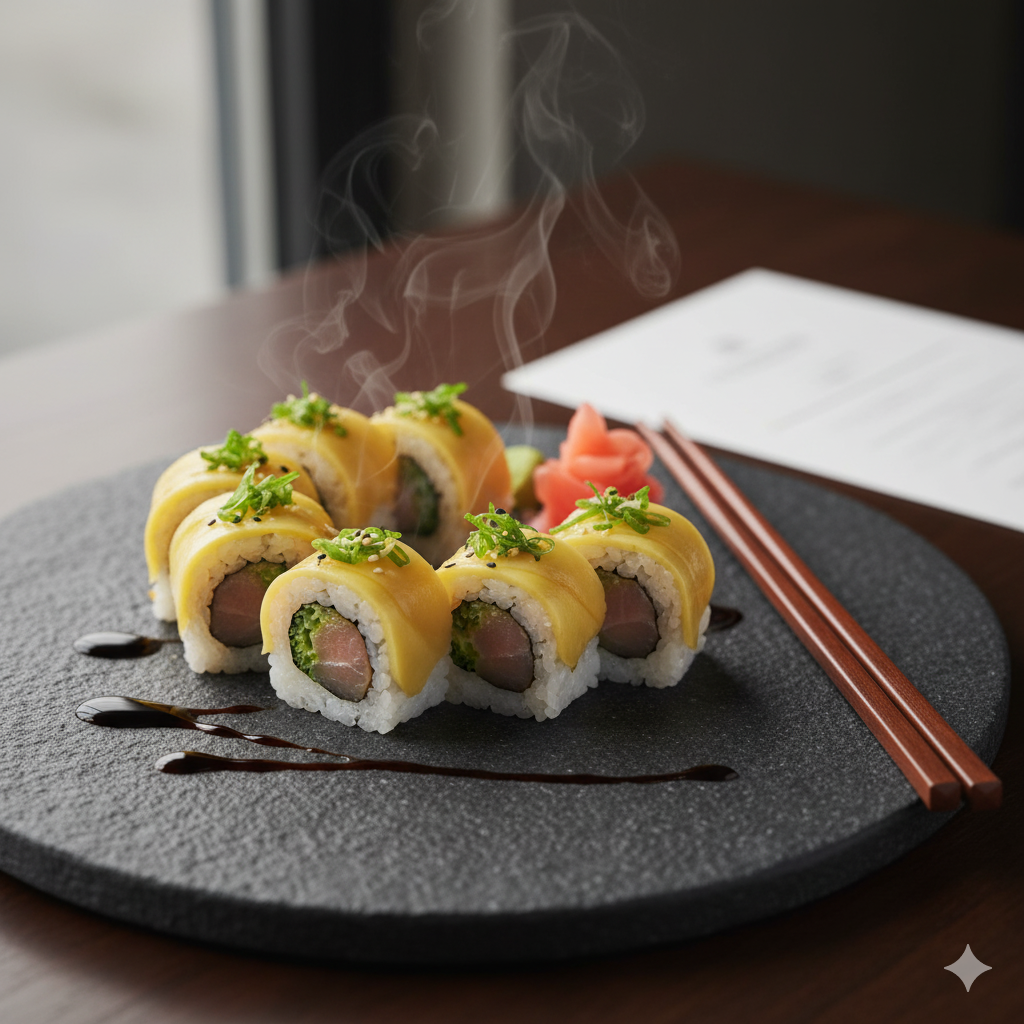
At its core, the yellowtail scallion roll is a maki-style sushi roll—think classic cylinder of nori, rice, and fillings, sliced into neat bite-sized pieces. Sometimes it flips inside-out with rice on the outside, but the star duo remains the same: silky slices of yellowtail (hamachi) and vibrant green scallions tucked inside. The hamachi brings that luxurious, melt-in-your-mouth fattiness, while the scallions deliver a crisp, oniony zing that keeps everything light and lively. It’s like the fish is the rich main act, and the green onion is the clever sidekick cutting through the decadence.
You might see it listed as “hamachi scallion roll,” “yellowtail & green onion roll,” or even “yellowtail spring onion roll” depending on the spot. But no matter the name, the essence is unchanged: premium yellowtail meeting fresh scallions in a perfectly balanced sushi package. When it’s done right, each piece offers a symphony of textures—tender fish, crunchy onion, fluffy yet cohesive rice, and that satisfying nori snap. It’s understated elegance on a plate, and that’s why it’s a perennial favorite.
Origins and Sushi Bar Culture of Hamachi Rolls
Sushi’s story stretches back centuries in Japan, starting as a way to preserve fish with fermented rice. Fast-forward to today, and while you’ll find rolls loaded with avocado, spicy mayo, or tempura crunch, the classics like the yellowtail scallion roll stay true to showcasing pristine fish with minimal fuss. Hamachi—young yellowtail—has long been a darling in Japanese sushi bars for its clean taste and that lovely marbled fat. Adding scallions? It’s a natural evolution, echoing sashimi plates where hamachi gets a quick garnish of green onion for brightness.
In American and Western sushi scenes, the yellowtail scallion roll has cemented itself as an entry-level classic that still feels sophisticated. It’s not intimidating for first-timers, yet it rewards the palate of anyone who’s circled the sushi menu a hundred times. There’s a nod to Japanese tataki styles too—lightly seared or raw fish with scallions—making the roll a logical, delicious extension of tradition. It’s the kind of dish that bridges cultures without losing its soul.
Ingredients Breakdown: What Makes Up a Great Yellowtail Scallion Roll
Every element in a yellowtail scallion roll has to pull its weight. Let’s break them down one by one.
Yellowtail (Hamachi)
This is the heart of the roll. Go for sushi-grade hamachi—handled with care from catch to counter to ensure it’s safe raw. Look for a fresh ocean scent, a subtle gloss, and flesh that’s firm but gives gently. The natural fats give it that buttery, almost sweet profile with a whisper of the sea. Paired with scallions, it’s pure indulgence without heaviness.
Scallions (Green Onion)
Don’t underestimate these vibrant greens. Fresh scallions should boast vivid emerald tops and crisp white bases. They snap when you bite, delivering a gentle sharpness and herbal freshness. Some chefs julienne them super fine or give them a quick toss in soy and sesame oil for extra depth. In the roll, they’re the counterpoint—slicing through the hamachi’s richness to keep things refreshing.
Sushi Rice (Shari)
The unsung hero. Perfect sushi rice is seasoned just right with rice vinegar, a touch of sugar, and salt—tangy but not overpowering. It needs to be sticky enough to hold the roll together yet light on the tongue. Think of it as the foundation that lets the yellowtail and scallions shine without stealing the show.
Nori (Seaweed) Wrap
That dark, paper-thin sheet adds a subtle briny note and crucial structure. Whether it’s on the inside or out, it should be crisp at the start of rolling for that ideal chew. A good nori elevates the whole experience with its quiet umami backbone.
Optional Sauces or Garnishes
Purists say keep it bare, and I’m with them most days. But a whisper of ponzu, a grate of yuzu zest, or a light soy brush can add sparkle without drowning the stars. Pickled ginger and wasabi? Always on the side for cleansing and heat.
When these pieces click—fresh fish, snappy scallions, seasoned rice, quality nori—you’ve got a yellowtail scallion roll that’s greater than the sum of its parts. Clean, balanced, and downright craveable.
How to Prepare a Yellowtail Scallion Roll at Home
Rolling your own yellowtail scallion roll isn’t as daunting as it looks, especially if you’ve got decent fish and a bamboo mat. It’s meditative, honestly, and the payoff is biting into something you made with your own hands.
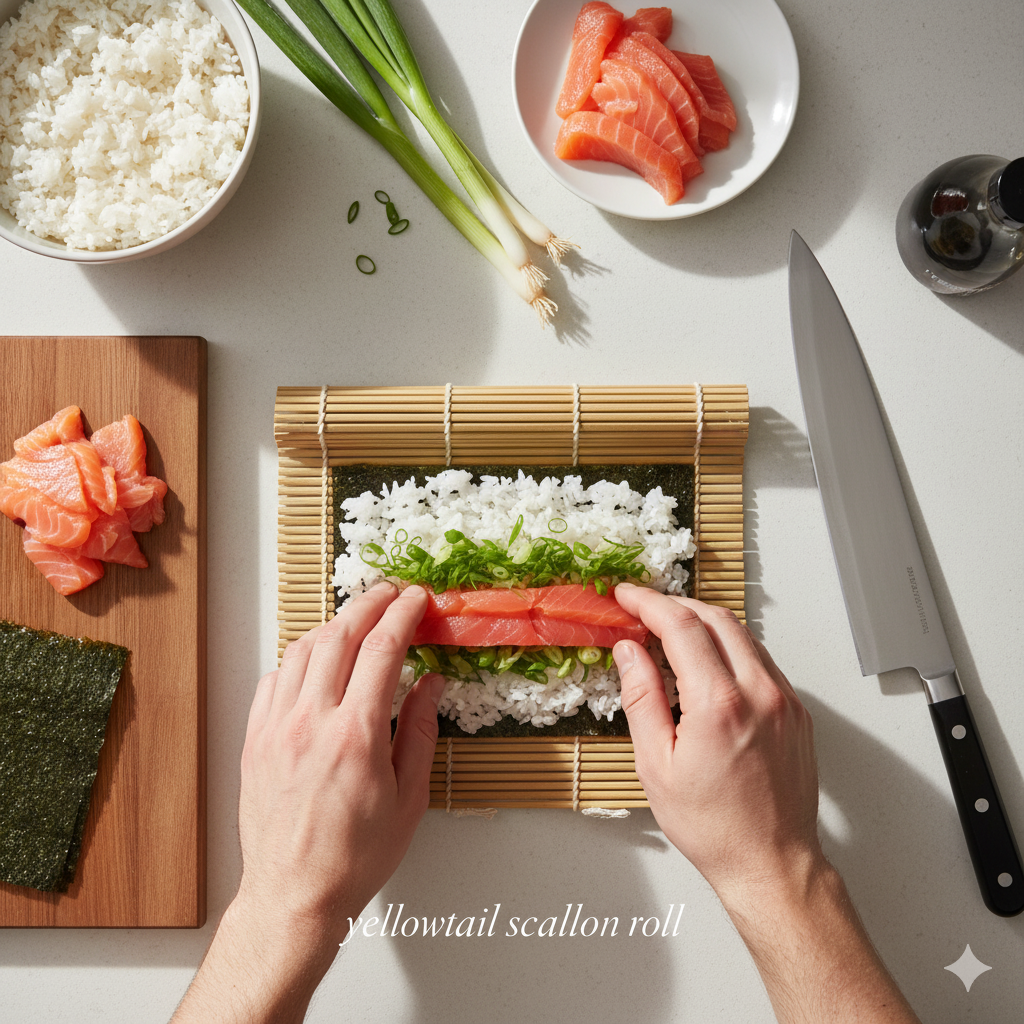
Start with the rice: rinse short-grain sushi rice until the water’s clear, cook it up (rice cooker or stovetop both work), then fold in your vinegar-sugar-salt mix while it’s warm. Let it cool to room temp—you don’t want to cook the fish. While that’s happening, slice your hamachi into ¼-inch strips, cutting against the grain for tenderness.
Prep the scallions: wash, trim, and sliver them lengthwise into thin strands. A quick rinse and pat dry keeps them crisp; maybe a drop of soy and sesame oil if you’re feeling fancy. Lay your nori on the mat (shiny side down for standard maki), spread rice evenly but leave a 1-inch strip bare at the top for sealing. Line up hamachi and scallions near the bottom edge—don’t overload, or it’ll burst.
Roll with gentle pressure, tucking as you go, then seal with a dab of water on that bare edge. Wet a sharp knife, slice into 6–8 pieces, wiping the blade clean between cuts for neat edges. Serve right away with ginger, wasabi, and soy. A little ponzu drizzle or yuzu zest? Your call.
Pro tips: freshest fish only (same-day purchase), moderate fillings, wet knife always, eat soon after slicing, and garnish with a microgreen or lemon sliver for that restaurant flair. Nail these, and your homemade yellowtail scallion roll rivals any takeout.
Variations and Creative Takes on the Yellowtail Scallion Roll
The classic is tough to beat, but chefs love riffing. Here’s what you might encounter.
Inside-out (uramaki): Rice outside, nori in, often dusted with sesame or tobiko for pop. Same hamachi-scallion heart, fancier presentation.
Citrus-kissed: A light ponzu glaze or yuzu zest wake up the flavors, amplifying the onion’s brightness against the fish.
Spicy twist: Mix in jalapeño slivers or top with sriracha mayo. “Spicy yellowtail scallion roll” menus abound—great if you crave heat, though it shifts the vibe from subtle to bold.
Crunch factor: Tempura bits or fried shallots sprinkled on top. Adds texture, keeps the core intact.
Fusion touches: Avocado or cucumber sneaks in at some spots, softening the sharpness for broader appeal. Still tasty, just less minimalist.
Every variation circles back to yellowtail and scallion as the anchors. Play around to find your perfect spin.
How the Yellowtail Scallion Roll Differs from Other Sushi Rolls
Compared to the flashy crowd—California rolls with crab and avocado, spicy tuna drowned in mayo, dragon rolls piled with eel and more—the yellowtail scallion roll is the quiet sophisticate.
It’s all about purity: just fish, onion, rice, nori. No fried distractions, no sauce overload. The scallion isn’t garnish here; it’s a lead player, balancing the hamachi’s richness with crisp freshness. Other rolls chase crunch or sweetness; this one nails subtle contrast.
No heavy hitters like cream cheese or eel sauce means lighter calories and clearer flavors. It’s approachable for newbies—no weird textures or spice bombs—yet deep enough for pros to judge a chef’s skill on fish quality alone.
In a sea of over-the-top creations, the yellowtail scallion roll reminds you sushi can be elegant in its restraint.
What to Look for When Ordering a Yellowtail Scallion Roll
Spotting a winner starts with your eyes and nose.
Fish: Bright, moist (not slick), clean-smelling hamachi with even color. Press gently—it should bounce back.
Scallions: Vibrant green, snappy, no wilting or browning.
Balance: Each bite should hit fish, onion, rice in harmony. One note dominating? Pass.
Rice: Cohesive but airy, seasoned to enhance, not mask.
Presentation: Clean cuts, intact nori, nothing soggy or sloppy. Sauces should complement, not bury.
Portion: 6–8 pieces is standard—enough to satisfy without overwhelming.
Menu clues: “Hamachi scallion” usually means classic; watch for “spicy” or “crunch” add-ons.
Trust your senses. A great yellowtail scallion roll announces itself before you even taste it.
Pairing Ideas: Drinks, Side Dishes, and Complementary Flavours
This roll’s clean profile begs for pairings that lift, not compete.
Drinks: Crisp Sauvignon Blanc or unoaked Chardonnay for wine lovers. Chilled junmai sake is classic—fruity yet dry. Non-alcoholic? Green tea or sparkling water with lemon.
Sides: Edamame for salt, miso soup for warmth, seaweed salad for ocean depth. Ginger cleanses, wasabi sparks.
Condiments: Light soy or ponzu dip. Skip the sweet stuff.
Texture play: Tempura veggies on the side for crunch contrast.
Thoughtful matches turn a simple roll into a full experience, letting the hamachi and scallion sing.
The Health and Nutritional Side of the Yellowtail Scallion Roll
Sushi skeptics, rejoice—this one’s a solid choice.
Hamachi packs omega-3s with moderate fat; scallions add fiber, vitamins, negligible calories. No fried batter or mayo keeps it leaner than many rolls.
Rice offers quality carbs; overall, it’s balanced and minimally processed.
Watch sodium from soy, and always prioritize fresh, reputable sources for raw fish safety. Want healthier tweaks? Less rice, brown rice swap, extra scallions.
It fits nicely into mindful eating—flavorful, satisfying, nutrient-smart.
Common Mistakes and How to Avoid Them When Ordering or Making
Even simplicity can trip up.
Bad fish: Dull, smelly, mushy—walk away. Source matters.
Overstuffing: Too much filling, roll explodes. Less is more.
Limp scallions: Wilted greens kill crispness. Fresh only, prep last-minute.
Sauce overload: Drowns subtlety. Request light or none.
Rice mishaps: Mushy or crumbly ruins texture. Precise seasoning and cooling.
Delayed eating: Scallions soften, fish warms—serve fresh.
Mind these, and mediocrity stays far from your plate.
Why the Yellowtail Scallion Roll Still Matters in Modern Sushi Menus
Amid rainbow rolls and sushi burritos, this classic endures.
Timeless taste: Buttery fish, bright onion—pure pleasure.
Bridge builder: Welcomes beginners, respects veterans.
Chef’s canvas: Minimal ingredients spotlight skill.
Trend-aligned: Clean, transparent, quality-focused.
Cultural anchor: Keeps sushi’s roots alive amid innovation.
It’s not just nostalgia; it’s relevance.
Home Sushi Bar Setup: Making a Mini Experience at Home
Turn roll night into an event.
Setup: Clean table, mats, sharp knives, ice water, small dishes for condiments.
Plating: Fan slices on wood or slate, light garnish.
Extras: Miso, seaweed salad, edamame, chilled sake.
Engage: Let guests watch or roll—explain the magic.
Freshness: Make and serve immediately.
It’s more than food; it’s memory-making.
Sustainability and Sourcing Considerations for Yellowtail and Scallion Rolls
Responsibility tastes better.
Yellowtail: Wild or farmed—seek sustainable certifications. Ask origins.
Scallions: Local, seasonal for peak flavor and lower footprint.
Waste: Buy what you’ll use, store cold, minimize packaging.
Seasonality: Best fish times vary; align for quality.
Mindful choices enhance enjoyment and ethics.
Final Thoughts: Why the Yellowtail Scallion Roll Is Worth Your Attention
This roll isn’t flashy, but that’s its strength. Fresh hamachi, snappy scallions, perfect rice—it’s sushi distilled to its essence. Make it, order it, share it; every bite rewards attention to detail. Next time the menu tempts with excess, circle back to this quiet star. The humble green onion and luxurious yellowtail prove simplicity, done right, is unforgettable.
Frequently Asked Questions
What distinguishes a yellowtail scallion roll from a regular yellowtail roll?
The scallions. A plain yellowtail roll is just fish and rice; adding green onion brings brightness and balance, turning rich into refreshing.
Is the yellowtail scallion roll good for sushi beginners?
Absolutely. Mild flavors, no surprises—just clean fish and crisp onion. Perfect gateway to raw sushi.
Can I substitute ingredients in a yellowtail scallion roll (for example if I don’t like raw fish)?
Sure. Try seared hamachi, cooked white fish, or even tofu. Swap scallions for chives. It becomes a variation, but still delicious.
How should I order or request it to ensure freshness and quality?
Ask: “Is the hamachi fresh today?” Check visuals—bright fish, green scallions. Request light sauce. At home: same-day fish, immediate prep.
What drink or side dish pairs best with the yellowtail scallion roll?
Chilled sake, crisp white wine, or lemon sparkling water. Sides: miso soup, edamame, seaweed salad. Keep it light.
Is the yellowtail scallion roll a healthy option?
Yes—omega-3s from fish, vitamins from scallions, moderate calories. Watch soy sodium and ensure fresh sourcing.


