

Nu-Stock Cream: Restore and Protect Your Leather Products
Okay, so Nu-Stock cream—I’ve seen it pop up everywhere from farm supply stores to weird skincare Reddit threads. It’s this thick, sulfur-heavy ointment that’s basically a miracle worker for animal skin issues, but people keep sneaking it onto their own faces for acne or whatever. Full disclosure: I’m not a vet or a doctor, just someone who’s dug into this after hearing all the hype. Let’s break it down real talk-style—what it is, why it works, how to use it without regrets, and yeah, the risks because nothing this potent is all sunshine.
Understanding Nu-Stock Cream: What Is It?
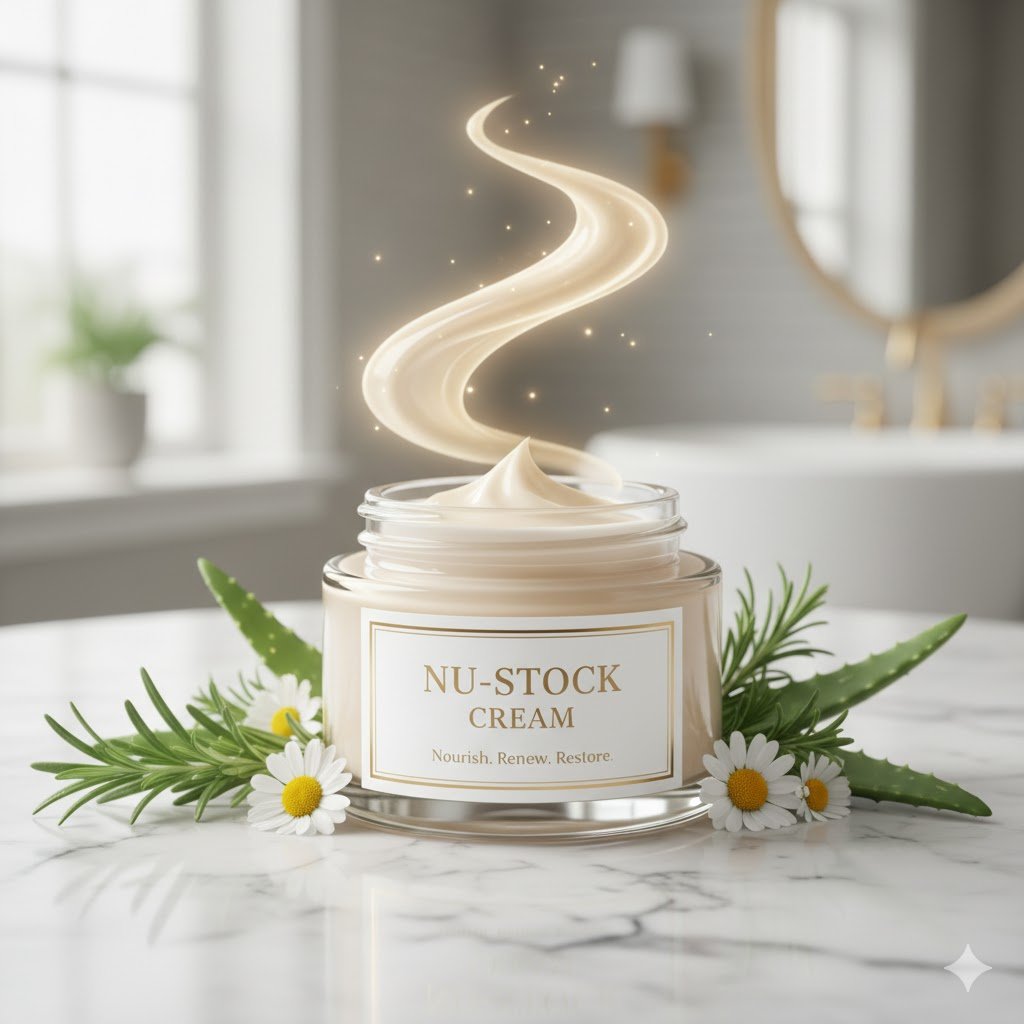
Picture this: a no-frills tube of goop that’s been around forever in the vet world, tackling everything from gross mite infestations to scrapes that won’t heal. Nu-Stock, or Nu-Stock Wound Cream if you’re fancy, is all about keeping animal skin from turning into a disaster zone. No steroids, no antibiotics—just straight-up simple stuff that gets the job done. It’s non-toxic for pets, smells like a rotten egg exploded in a pine tree (more on that later), and it’s the kind of thing ranchers swear by for keeping their herds looking less like zombie apocalypse victims.
At its core, it’s got this old-school vibe, like something your grandma might’ve slathered on a horse back in the day. But don’t get it twisted—it’s still flying off shelves in 2025 because it actually delivers.
Key Components & How They Work
Sulfur (73%)
This is the boss ingredient, the one doing all the heavy lifting. Sulfur’s been a skin hero since, like, ancient times—think Roman baths but for your dog’s hotspot. It kills fungus and bacteria by messing with their cozy little environments, plus it helps slough off dead, crusty skin so new stuff can grow in. If your animal’s got ringworm or mange, this is the part that says, “Not today, microbes.”
Mineral Oil (25%)
The chill sidekick. This oily base makes the whole thing spreadable, locks in moisture so the skin doesn’t dry out like the Sahara, and basically acts like a force field against more dirt or germs sneaking in. It’s why Nu-Stock feels greasy but protective—like Vaseline’s tougher cousin.
Pine Oil (2%)
A dash of this gives it some extra germ-fighting oomph and a tingly vibe that might boost blood flow to the spot. Plus, that sharp pine scent? It’s nature’s way of saying “back off” to bugs and bacteria. Downside: it amps up the smell to eleven, but hey, effectiveness over eau de cologne.
Together, these three make a powerhouse that’s cheap, straightforward, and stupidly effective for what it’s built for.
Traditional Uses in Veterinary Medicine
This stuff was made for beasts, not beauty routines, and it shines there. Horse folks, dog parents, goat herders—they all reach for it when skin goes south. Here’s the real-world rundown:
- Mange (All the Itchy Kinds): Whether it’s those burrowing demodex mites or the red, scabby sarcoptic nightmare, Nu-Stock calms the itch, wipes out the pests, and gets fur growing back faster than you’d think. I’ve heard stories of dogs looking bald one week and fluffy the next.
- Ringworm: That circular fungus party? Sulfur crashes it hard. The oil keeps the scabs soft so they don’t crack open and spread the love.
- Cuts, Scrapes, Burns, Wounds: Slap it on a gash from a barbed wire adventure or a burn from who-knows-what, and it speeds healing, cuts swelling, and keeps scars from turning into ugly souvenirs.
- Sore or Tender Hooves: Big animals like horses get beat up on rough ground—Nu-Stock soothes the bruises and gets them trotting again without the limp.
- Ear Mites: Tricky spots, but a careful dab inside the ear (with a cotton swab, obviously) helps evict those creepy crawlies without drama.
- Skin Growths & Dermatitis: Random bumps, flaky patches, or just general “what the heck is this?” itchiness—it’s got a keratolytic kick that sheds the bad and lets good skin take over.
Bottom line: If your pet’s skin is screaming for help, this is often the first line of defense before you drag them to the vet.
Non-Veterinary / Off-Label Use
Alright, the elephant in the room—or the horse in the tube. Nu-Stock isn’t made for humans, full stop. The label screams “veterinary use only,” and docs will side-eye you hard if you mention it. But online? It’s blowing up in skincare corners for stuff like fungal acne (those tiny, stubborn bumps that benzoyl peroxide laughs at) or even scabies vibes.
Folks dilute it way down and swear it clears pores like magic, thanks to that sulfur punch. One Reddit thread had someone raving, “It’s horse cream, but damn, my face is glass after a week.” Another used it for malassezia overgrowth and said it was the only thing that touched their cystic nightmares.
Scabies sufferers? Mixed bag—some say it zaps mites on contact, but others warn it’s too harsh undiluted and could make things worse with burns or dryness. The consensus? It might work, but you’re rolling the dice on irritation, and no one’s got your back if it goes sideways. Patch test like your life depends on it, and maybe chat with a derm first.
How to Use Nu-Stock Cream Correctly
Veterinary Directions
Keep it simple—Durvet (the makers) nailed the basics:
- Shake It Like a Polaroid Picture: That mineral oil settles, so mix it up good.
- Clean the Mess: Hose off the wound or clip fur if it’s a shaggy situation, then pat dry.
- Slather Sparingly: A thin coat does the trick—no need to drown the spot.
- Every Three Days: Hit it again until it’s gone. Don’t rush; consistency wins.
- Let It Ride: No rinsing. It needs to stay put to work its magic.
- Thin If Thick: Baby oil mix if it’s glopping like peanut butter.
Pro tip: E-collar your pet if they’re lickers—sulfur’s safe but nobody wants tummy troubles.
Off-Label / Human Use Tips (Based on Anecdotes)
This is DIY territory, so tread light:
- Dilute, Dilute, Dilute: Mix with a plain lotion or baby oil—start at 1 part Nu-Stock to 10 parts base. Nobody’s winning beauty pageants with chemical burns.
- Clean Slate: Face or wherever, wash first and dry completely.
- Gloves Are Your Friend: That smell lingers, and it can stain sheets or shirts like a bad tattoo.
- Spotty Schedule: Every 2-3 days max. Daily? Recipe for red, flaky regret.
- Watch Like a Hawk: Tingling’s normal; burning or crazy dryness means stop and moisturize hard.
Remember, this is hack territory—results vary, risks don’t.
Safety, Risks & Precautions
Safety in Animals
For the most part, it’s a safe bet across dogs, cats, horses, cows, goats—you name it. Non-toxic, no steroids means no weird long-term hormone drama. But:
- Pets hate the stink; some try to rub it off or lick it (bitter taste helps, but collars save sanity).
- Patch test on a tiny spot first—rare allergies happen.
- Skip on super young, pregnant, or sickly animals without a vet thumbs-up.
- Prolonged use? Could sensitize skin, so rinse with soap and water if things flare, then call the pro.
Safety in Humans / Off-Label Use
Humans aren’t horses, so yeah, risks amp up:
- Irritation Central: 73% sulfur is brutal—expect dryness, redness, or straight-up burns if you’re not careful. Dilution is non-negotiable.
- Smell Assault: Sulfur + pine = “devil’s armpit.” Apply in the garage if your roommate’s nose is sensitive.
- Mixology Gone Wrong: Wrong lotion? Could separate or amp irritation. Stick to basics.
- Not Your Derm’s Pick: Zero FDA nod for human skin. You’re experimenting at your own peril—derms push gentler sulfur stuff at 5-10%.
- No-Go Zones: Eyes, mouth, open wounds, genitals—anywhere tender or broken. Just… no.
If you’re pregnant, nursing, or got sensitive skin, skip it entirely.
Alternatives & Competitors to Nu-Stock Cream
Nu-Stock’s old-school charm has rivals, especially if you want less stink or human-friendly vibes:
Other Sulfur-Based Creams / Ointments
- Precipitated Sulfur Ointment (10%): Pharmacy staple for acne or scabies—milder, less smelly, way safer for faces.
- Krishat Sulfur Ointment: Similar punch for ringworm or dermatitis, but tuned for people.
Veterinary Wound / Skin Creams
- Antibiotic balms or antifungal sprays: More targeted if bacteria’s the bad guy, but Nu-Stock’s broader and cheaper.
- Herbal goops with tea tree or calendula: Gentler for minor stuff, but won’t nuke mites like sulfur does.
If you’re off-label shopping, human sulfur masks or salicylic acid serums might scratch that itch without the vet aisle guilt.
Real-World Feedback & Community Insights
Online, it’s a love-it-or-wince saga. Vets and farmers? Five stars for clearing up goat mange or dog hot spots overnight. One goat owner gushed about how it stopped the itching cold and brought back fluffy coats.
Pet parents echo that— “Saved my pup’s ears from mite hell,” is a common refrain.
Human side? Skincare addicts on Reddit are split. Fungal acne warriors chant praises: “Cleared my forehead in days—horse cream FTW.” But scabies threads? “Zapped the bugs but fried my skin—dilute or die.” Caution tales abound: too much too soon = peeling like a bad sunburn.
Bottom line: Animals rave (silently). Humans? Proceed with plot armor.
Best Practices & Tips for Effective Use
For Animal Applications
- Tiny test patch—wait 24 hours for freakouts.
- Scrub-a-dub before slathering.
- Less is more; thick layers just waste product.
- Three-day rhythm, but peek daily—some heal fast, others drag.
- Baby oil hack for spreadability on hairy spots.
For Off-Label Human Use (If Considering)
- Dilution station: Lotion mix, start weak.
- Glove up—odor clings like a bad ex.
- Broken skin? Vet’s orders only.
- Frequency: Sparingly, like expensive wine.
- Reaction radar on—red flags mean bail and balm.
Benefits vs Drawbacks: A Balanced View
Major Advantages
- Microbe Slayer: Antifungal, antibacterial—zaps ringworm, mites, wounds like a boss.
- Versatile AF: From hooves to hot spots, it’s a one-tube wonder.
- Clean Ingredients: Three things only—easy to trust, low allergy odds.
- Steroid-Free Zone: No thinning skin or rebound inflammation.
- Hair Hero: Old scars? It nudges follicles back to life.
Drawbacks & Limitations
- Stink Bomb: Sulfur smell could clear a room—pine doesn’t help.
- Potency Peril: Too much = scorched earth on skin.
- Not a Cure-All: Deep infections need more than ointment.
- Human Hack Hazard: Off-label means you’re the guinea pig.
- Greasy Glory: Oily residue stains everything—laundry hates it.
When Not to Use Nu-Stock
- Mucous membranes? Eyes, nose, mouth—hard pass.
- Gnarly deep wounds? Vet ER, not tube time.
- Lick-prone pets? Collar up or ingestion roulette.
- Sulfur haters? Allergy city—skip.
- Tiny tots or immune-compromised critters/humans? Pro consult mandatory.
Regulatory & Storage Considerations
- Storage: Cool, dry spot—no bathroom steams. Shake like mad before squeezing.
- Packaging: That 12-oz tube lasts forever—stock one, forget it.
- Regulation: Vet product, so animal rules apply. Human use? Your call, but FDA’s not co-signing.
- Precautions: Sulfur warnings in some states (chem exposure vibes)—gloves, ventilation.
Frequently Asked Questions (FAQs)
Q: What exactly is Nu-Stock cream used for? Mostly animal skin SOS: mange, ringworm, cuts, ear mites, hair loss from scratches. It’s the multitool of ointments.
Q: How often should Nu-Stock be applied? Every three days is the sweet spot—gives it time to work without overwhelming.
Q: Is Nu-Stock safe for all animal species? Dogs, horses, cows, goats—yep. But patch test and vet-check for kittens, puppies, or exotics.
Q: Can humans use Nu-Stock cream? Technically? Sure, off-label for acne or mites. But dilute heavy, test tiny, and know it’s risky—irritation’s real.
Q: How long until you see results? Animals: Itch gone in days, full heal in weeks. Humans: Bumps fade quick, but skin might freak first.
Q: What are the possible side effects? Dryness, burny tingles, mega-smell. Rare allergies. Pets might lick and barf—collar ’em.
Q: Can Nu-Stock be used together with other treatments? Yeah, but layer smart—don’t mix in the tube. Vet might pair it with orals for tough cases.
Q: How should Nu-Stock be stored? Cool, dry, shaken not stirred. Heat makes it separate like a bad breakup.
Q: Can Nu-Stock be diluted? Totally—baby lotion or oil cuts the edge, especially for human hacks.
Nu-Stock vs Other Medicated Creams: A Comparative Look
Sulfur Ointments (Human Meds)
Your 5-10% drugstore sulfur is gentler, less stinky, made for faces—not the sledgehammer 73% in Nu-Stock.
Antifungal Creams
Clotrimazole or terbinafine nail the fungus specifically; Nu-Stock’s broader but lacks the precision meds.
Steroidal Ointments
Hydrocortisone zaps inflammation fast but risks skin-thinning. Nu-Stock’s slower but safer long-haul.
Herbal or Plant-Based Topicals
Tea tree salves soothe mild stuff gently; Nu-Stock’s the brute force for when herbs ghost you.
Real-World Use Cases & Narratives
- Livestock Owners: Barn staple for mite-plagued goats— “Turned my herd from scratchy wrecks to sleek machines.”
- Pet Parents: “My lab’s hot spots vanished; fur’s back thicker than ever.”
- Skincare Enthusiasts: “Diluted for fungal zits—face cleared, but my pillow smells like hell.”
- Scabies Patients: Forums buzz with “It killed ’em but blistered me—worth it?” debates.
Final Thoughts: Is Nu-Stock Cream Right for You (or Your Animal)?
Nu-Stock’s that reliable barn buddy—potent, simple, and stupidly good at fixing animal skin meltdowns without fancy bells. For pets with mange or mystery itches, it’s a no-brainer grab.
Humans? Tempting for those “nothing else works” moments, but it’s a wild west hack. Dilute wisely, listen to your skin, and have a derm on speed dial. At the end of the day, it’s proof simple ingredients can pack a punch—just don’t treat it like face cream unless you’re feeling adventurous. Your mileage (or healing) may vary, but damn if it doesn’t deliver stories.


